Top 10 Essential Facts Everyone Should Know About Flu Shots
Health


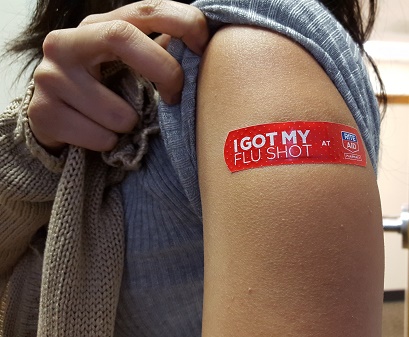
Flu shots are one of our most effective tools against seasonal influenza, yet many people have questions about how they work and why they matter. Understanding these key facts can help you make informed decisions about protecting yourself and your community from the flu.
-
1. Flu Shots Are 40-60% Effective When Well-Matched to Circulating Viruses
While not 100% protective, flu vaccines significantly reduce your risk of getting influenza when the vaccine strains match the circulating viruses. Even when there's a mismatch, vaccination can still reduce severity and duration of illness if you do get sick.
-
2. You Need a New Flu Shot Every Year
Influenza viruses constantly mutate, and different strains circulate each year. Annual vaccination ensures you're protected against the strains scientists predict will be most common during the upcoming flu season, as your immunity from previous years' vaccines wanes over time.
-
3. October is the Ideal Time to Get Vaccinated
Getting your flu shot in early fall gives your body time to develop immunity before flu season peaks in winter. It takes about two weeks after vaccination for antibodies to develop, so timing matters for optimal protection.
-
4. Flu Shots Cannot Give You the Flu
Injectable flu vaccines contain either inactivated virus or a single gene from the flu virus, making it impossible to cause influenza. Some people may experience mild soreness at the injection site or low-grade fever, which are normal immune responses, not the flu.
-
5. Vaccination Protects Others Through Herd Immunity
When you get vaccinated, you're not just protecting yourself – you're helping protect vulnerable community members who cannot be vaccinated or don't respond well to vaccines. This community protection is especially important for infants, elderly individuals, and those with compromised immune systems.
-
6. Everyone 6 Months and Older Should Get Vaccinated
The CDC recommends annual flu vaccination for everyone 6 months and older, with rare exceptions. This broad recommendation exists because influenza can cause serious illness in people of all ages, and vaccination is the best prevention method available.
-
7. Serious Side Effects Are Extremely Rare
Severe allergic reactions occur in fewer than one in a million doses. The most common side effects are mild, including soreness at the injection site, low-grade fever, or minor aches that resolve within a day or two.
-
8. Flu Vaccines Are Updated Annually Based on Global Surveillance
Scientists monitor flu activity worldwide throughout the year to predict which strains will circulate during the next flu season. The World Health Organization coordinates this effort, making recommendations for vaccine composition twice yearly for different hemispheres.
-
9. Multiple Vaccine Options Are Available for Different Needs
Standard flu shots work for most people, but there are also high-dose versions for seniors, adjuvanted vaccines for enhanced immune response, and egg-free options for those with egg allergies. Your healthcare provider can recommend the best option for your specific situation.
-
10. Flu Vaccination During Pregnancy Protects Both Mother and Baby
Pregnant women who get flu shots pass protective antibodies to their babies, providing protection during the infant's first few months of life when they're too young to be vaccinated. Vaccination is safe during any trimester and reduces pregnancy complications from influenza.
Understanding these essential facts about flu shots empowers you to make informed health decisions for yourself and your family. With their proven safety record and significant protective benefits, annual flu vaccinations remain one of the most effective ways to prevent influenza and reduce its impact on our communities.